
The Urgent Need for AI Governance: Lessons from Chernobyl

Updated: Oct 3
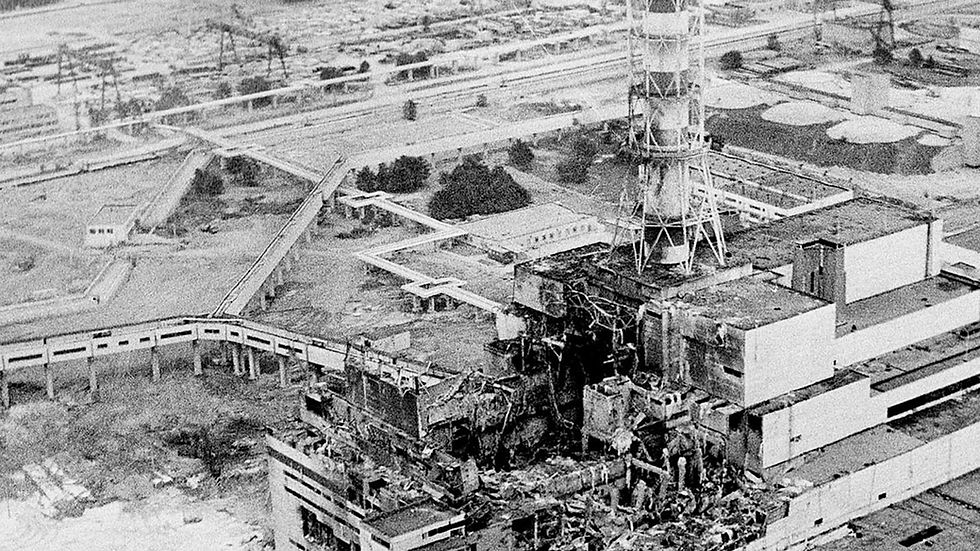
The Chernobyl disaster serves as a stark reminder of the consequences of poor governance. The reactor exploded because the governance structure made telling the truth more dangerous than running the reactor. Two engineers flagged the test as unsafe, but they were dismissed. The reactor ran anyway.
Your board is doing the same thing with AI. Not because you are reckless, but because no one has asked the four critical questions that matter:
The Four Critical Questions
What is the environmental liability of your AI footprint?
Has anyone calculated it?
Who has the technical authority to stop an AI decision heading in the wrong direction?
What are your agents authorized to do right now, without human review?
What happens when one of them is wrong?
These questions are not just theoretical. They are urgent. The EU AI Act deadline is August 2, 2026. This means personal liability for board members and potential fines of €35 million. That’s just 97 days from today. Are you prepared?
The Consequences of Inaction
The board that approved the April 25 test at Chernobyl is not around to answer for it. The board approving your AI strategy today will be. What legacy will you leave behind? Will you be remembered for your foresight or your negligence?
The Cost of Ignorance
Ignoring these questions can lead to devastating consequences. Just like the Chernobyl disaster, the fallout from poor AI governance can be catastrophic. It’s not just about compliance; it’s about survival. Your company’s reputation, financial stability, and even its existence could be at stake.
The Path Forward
So, what can you do? Start by fostering a culture of transparency. Encourage open discussions about the risks associated with AI. Bring in experts who can provide insights into the environmental impact of your AI initiatives.
Don’t wait for a disaster to strike. Take proactive steps now to ensure that your AI governance is robust and effective.
Embrace Sustainability
Sustainability is not just a buzzword; it’s a business imperative. Companies that prioritize sustainable practices often see significant profit increases and a sustained competitive advantage. By addressing the environmental liability of your AI footprint, you can transform challenges into opportunities.
Are you ready to make a change? The time to act is now.
Conclusion
In conclusion, the lessons from Chernobyl are clear. We must prioritize governance in our AI strategies. The stakes are high, and the time for action is now. Don’t let history repeat itself. Embrace the challenge of sustainable AI and turn it into your competitive advantage.
What will your board choose? Will you lead with courage and foresight, or will you let fear dictate your decisions? The choice is yours.

Comments